Weed Management
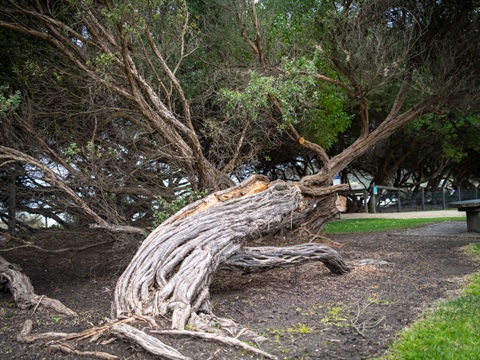
Our Conservation team manages a vast and dynamic stretch of coastline from Torquay to Port Campbell. The management of varied weed species is one focus of the team who manage their workplan based on priorities and objectives laid out in the Coastal Vegetation Strategy (CVS).
Coast Tea-tree (Leptospermum laevigatum) is a grey-green shrub to small tree that can range from 2-8m tall depending on location and conditions. The bark is flaky and consists of broad green leaves with white flowers. Coast Tea-tree is common on coastal sands from Port Phillip and eastwards, however as it has a good tolerance of salt-spray conditions it has become more abundant along the Great Ocean Road where it is not native. The species becomes weedy where it escapes and invades local indigenous habitat, which is what we are seeing along the stretch of coast.
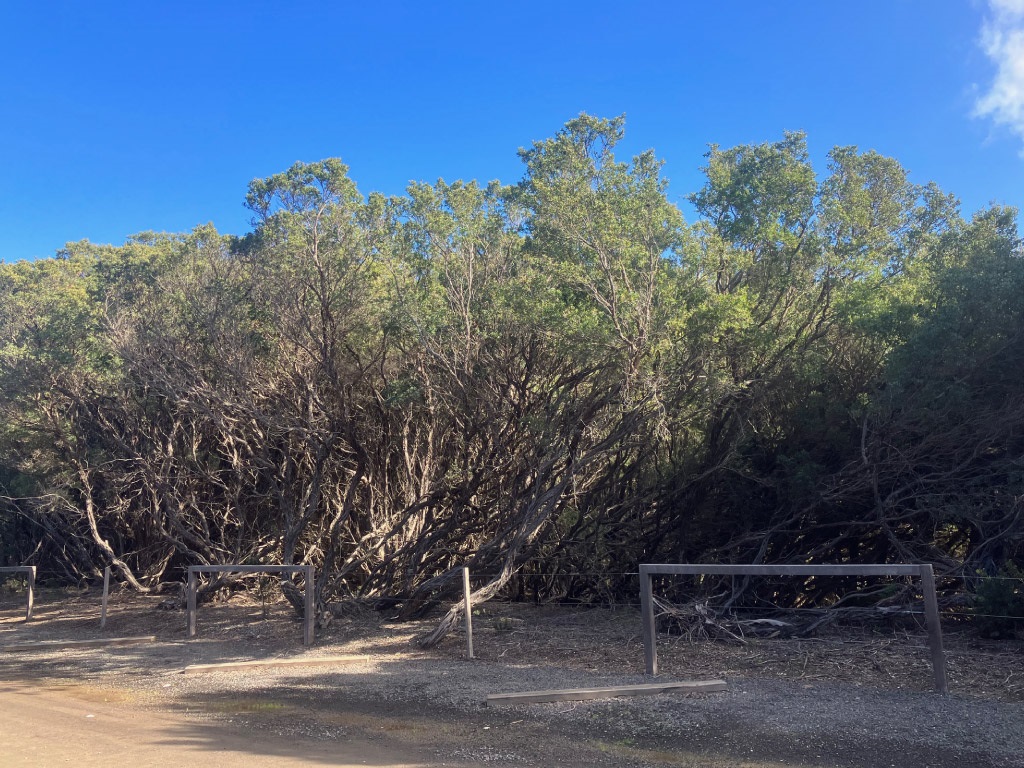
Image: Surf Coast Nature Search
Sallow Wattle (Acacia longifolia var. longifolia) is highly invasive to the Surf Coast region. Sallow Wattle is a tall spreading plant that can reach 8m in height with bright yellow flowers that bloom in late winter-early spring. The leaves can be key in identifying against other similar species such as the Coast Wattle.
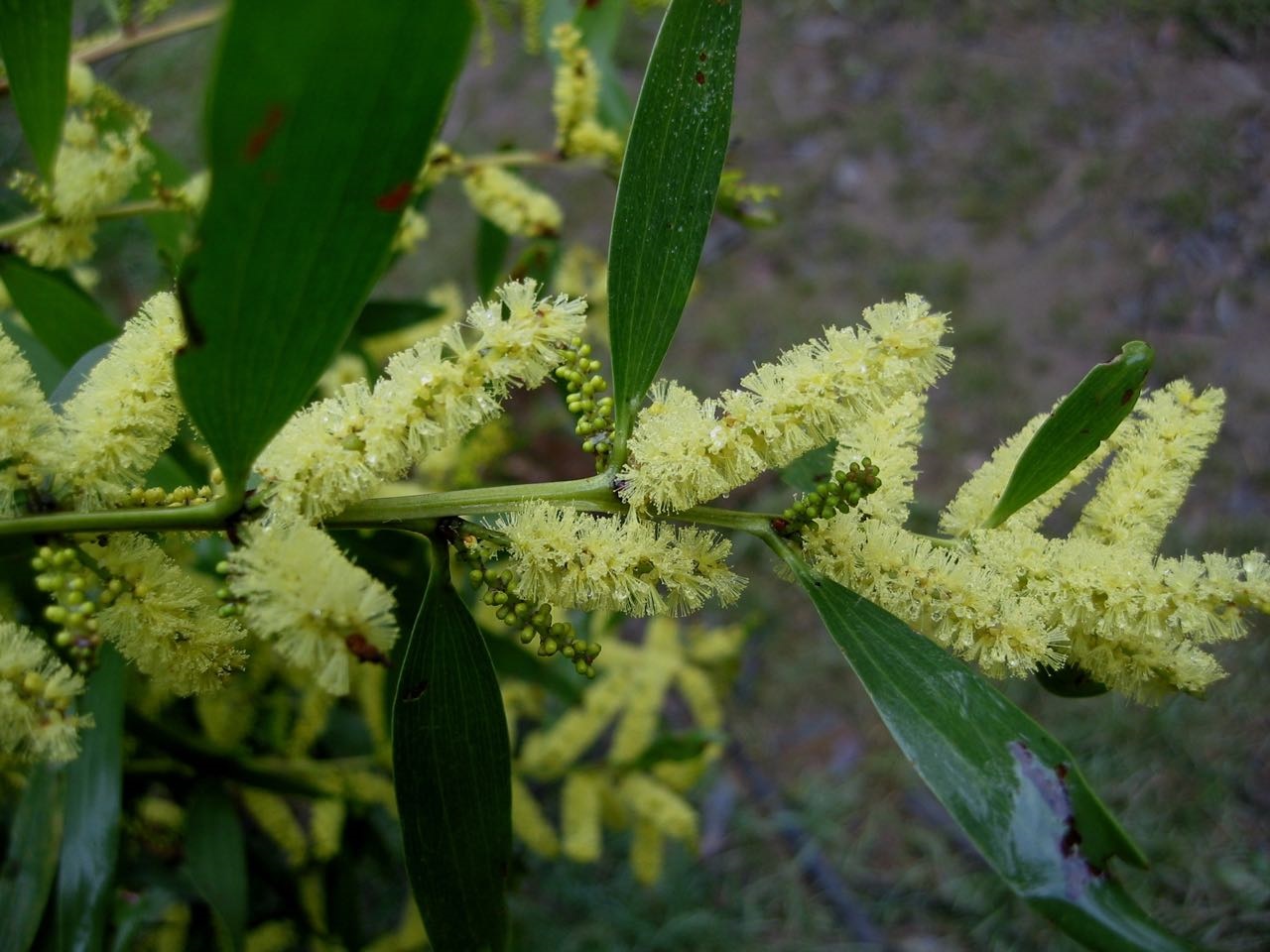
Image: Surf Coast Nature Search
Boneseed (Chrysanthemoides monilifera subsp. Monilifera) is easily distinguishable along the Jan Juc clifftops during Spring due to its bright yellow flowers.
Due to the hard work of our Conservation team, Education team and volunteer groups such as Jan Juc Coast action, this weed has been significantly controlled in the Jan Juc clifftops area with only isolated patches remaining. This is a great achievement and is in line with the Coastal Vegetation Strategy objectives for this species in the area.
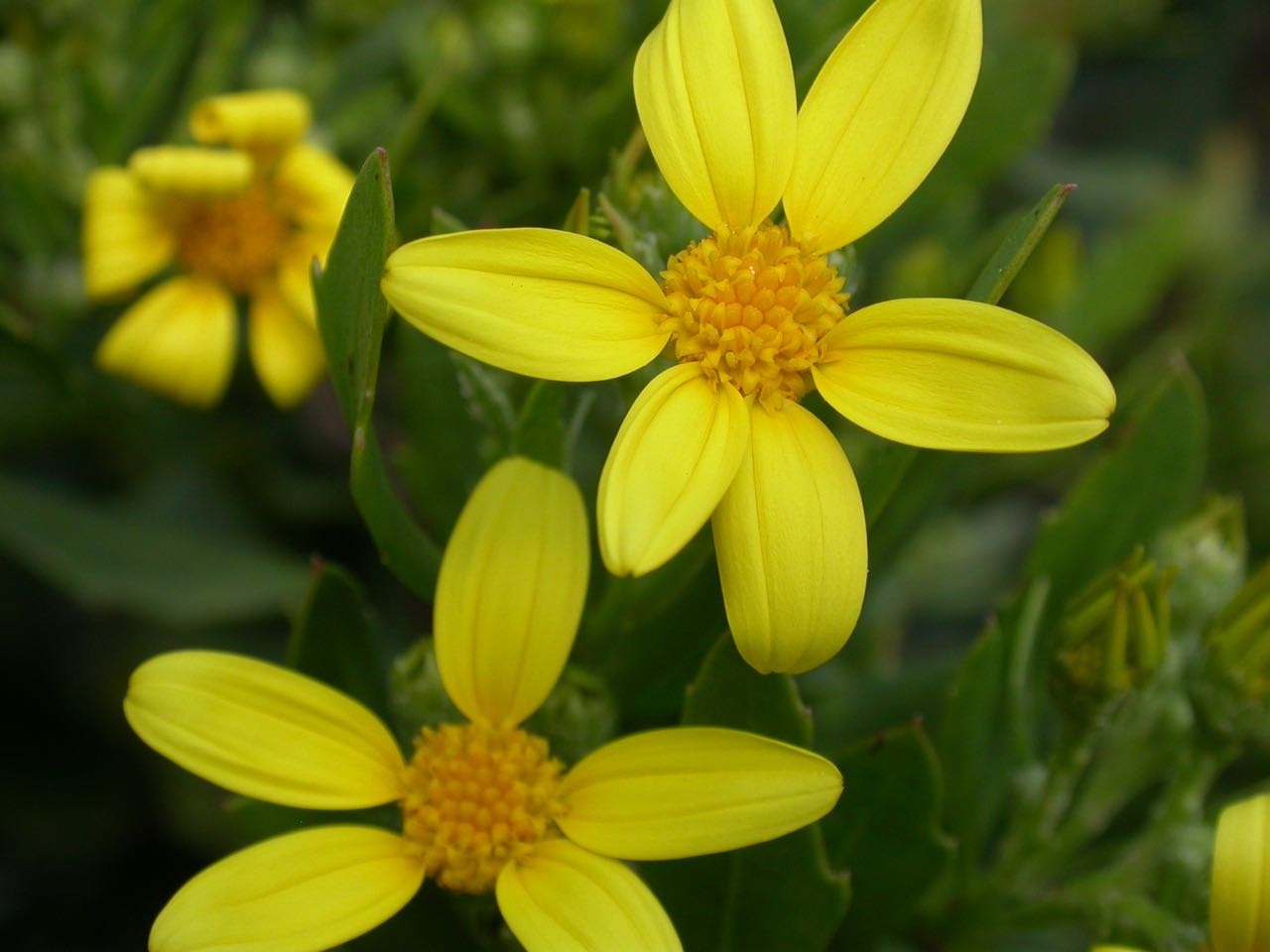
Image: Surf Coast Nature Search
Sweet Pittosporum (Pittosporum undulatum) has been commonly used as an ornamental tree due to its hardiness and ability to grow in a range of conditions. This species is highly invasive as the fruits are easily spread by birds which can have dramatic effects on the other indigenous species in the area.
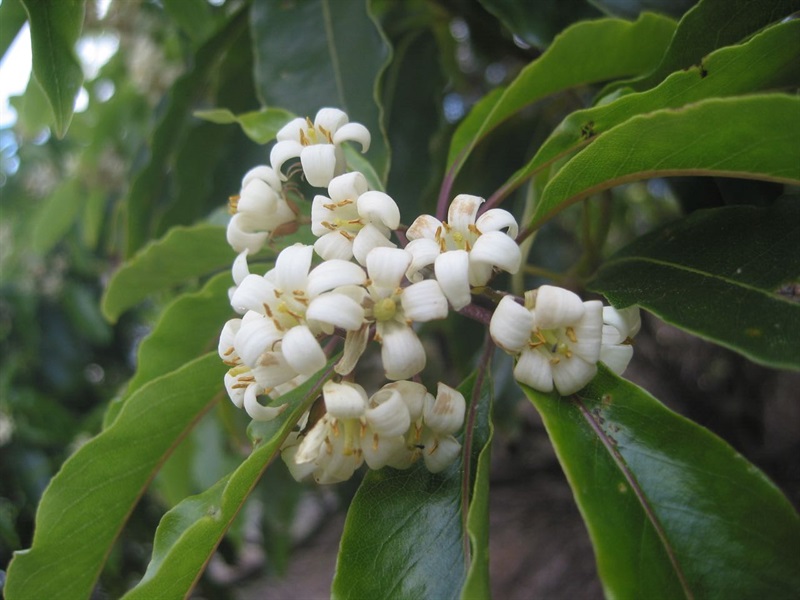
Image: Surf Coast Nature Search
We implement a strict weed control program to protect, maintain and enhance all public land.
While glyphosate-based herbicides do play a role in our weed management strategy, we actively use alternative weed control methods where possible, including the use of organic herbicides, selective herbicides, and using mulch as a weed suppressant, followed by revegetation.